Japan's Kawasaki and Romania's Transgaz are preparing a 21-million-euro project to test hydrogen pipeline transmission technology


Change language: Albania Bulgaria N. Macedonia Romania Serbia Greece
The Japanese industrial group Kawasaki Heavy Industries and the Romanian gas transmission system operator Transgaz have signed a memorandum of strategic cooperation in the field of hydrogen transportation via onshore pipelines. The partnership envisages the implementation of a demonstration project in Romania to test technology for the compression and transmission of pure hydrogen. The cost of the planned activities, including specialized equipment, research, and technological testing, is estimated at approximately 21 million euros. The agreement was signed on October 20, 2026, in Tokyo during the fourth edition of the Romanian-Japanese Innovation Forum, BalkanEngineer.com learned from official statements by Transgaz.
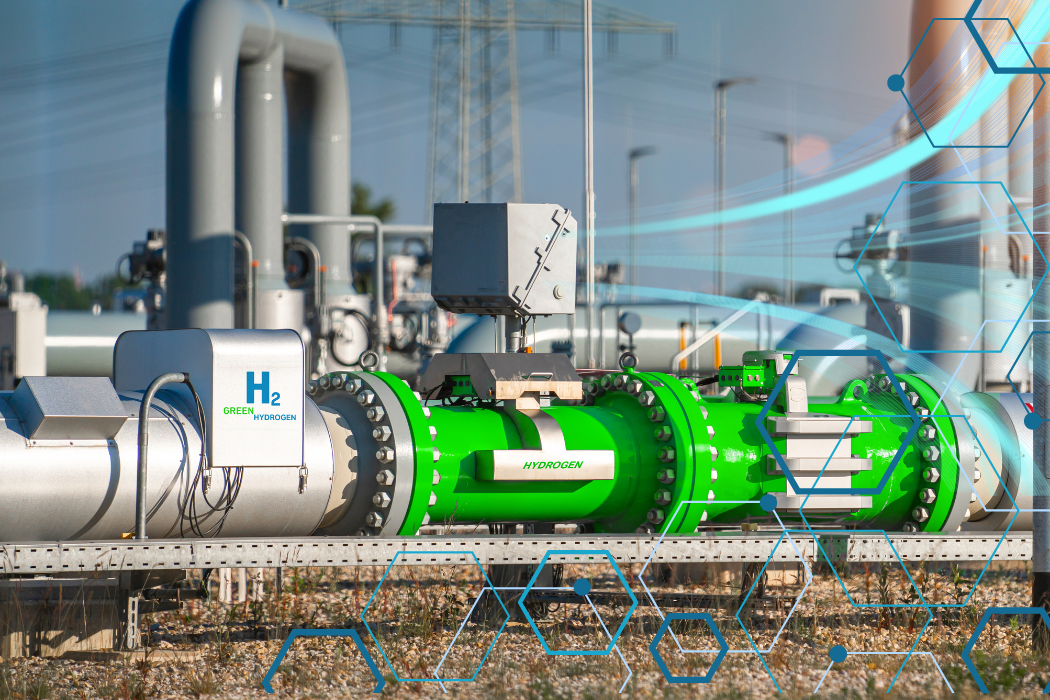
A key component of the future facility will be the KM Comp-H₂ compressor, developed by Kawasaki for transporting large quantities of hydrogen. The tests will be conducted in a closed-loop pipeline system, which will allow the equipment’s characteristics to be studied under controlled conditions. The project also includes an electrolyzer for hydrogen production, which will be used in the Romanian research initiative ROHYD, aimed at exploring the possibilities of blending hydrogen with natural gas.
Under the agreement, Kawasaki will provide its technological expertise in the field of compressor equipment, while Transgaz will contribute its experience in the construction and operation of gas transmission infrastructure. The upcoming tests are part of a program by Japan’s Ministry of Economy, Trade and Industry (METI) for technological cooperation with countries in Central and Eastern Europe.
The results will be used to assess the technical feasibility of transporting hydrogen via pipelines and to develop future infrastructure projects in Romania. The partners are yet to finalize the location of the demonstration facility and the implementation schedule. The announced 21 million euros represents the estimated cost of the project, and a specific start date for the tests has not yet been specified.
Photo source: ©Engineer BG via Canva.com