T&D Engineering develops eCS as a leading engineering solution for Europe's growing charging infrastructure


Change language: Bulgaria Romania Serbia
The European charging infrastructure enters the megawatt range. By the end of 2027, AFIR puts minimum 600 kW for charging parks for light electrical cars on the base of the TEN-T network and 2.8 MW for heavy-duty transport. For 2030 the requirements for trucks will reach 3.6 MW, with charging parks along the core network required to be located at intervals of no more than 60 km in each direction. The scale alters the project right at the site level. The currently available power must be distributed between several points, terminals to be placed based on the movements of the vehicles, and for the power section to be incorporated into the facility's overall electrical structure.
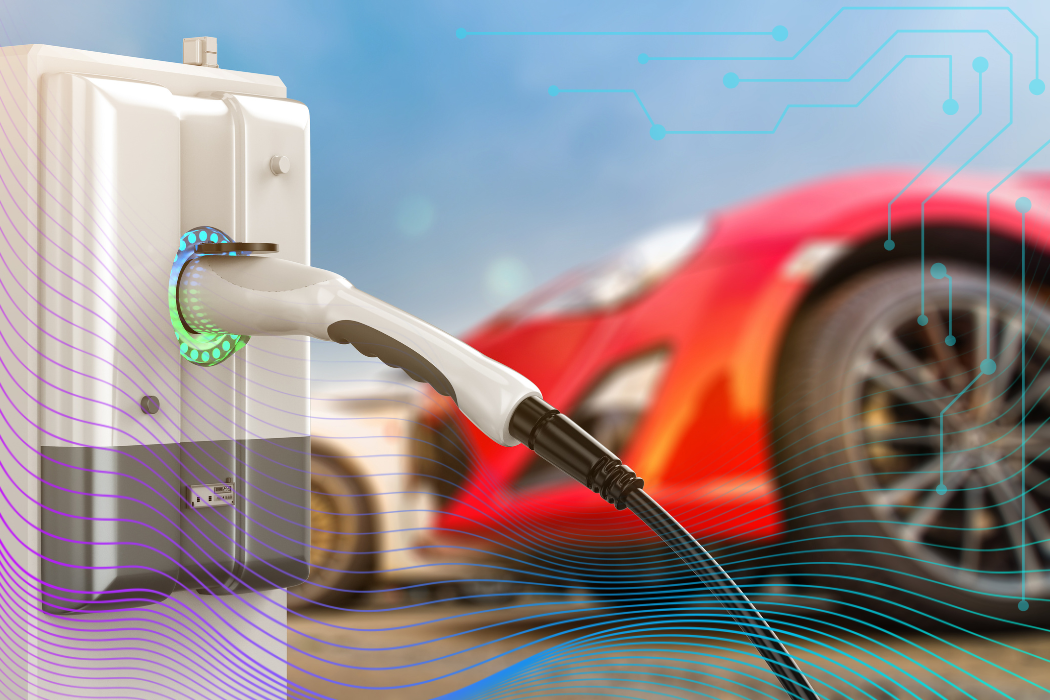
With the eCS series T&D Engineering, it is done by separating the power section of front-end terminals for vehicles. The development includes the Power Cabinet series and several terminal constructions, offering different variants for organization of the charging area. Behind eCS is more than 20 years company experience in energy and automation, control systems and monitoring, industrial electronics and specialized software. T&D Engineering was established in 2004, and today the team consists of more than 60 engineers, designers, technicians and mechanics. "The development of charging infrastructure places increasingly stringent demands on the design of the entire facility. At eCS, we treat the power components, control systems, and terminals as elements of a unified system," T&D Engineering commented to BalkanEngineer.com.
Power is, however, just one of the paraments, influencing future charging parks. For several vehicles being charged at the same time, it is also important to consider the way the equipment is spaced out. Power electrical systems have their own requirements for charging and installation, while the terminal needs to be there, where the operator of the vehicle can easily reach it. Their separation forms the basis of the eCS series. T&D Engineering develops power equipment as a standalone "Power Cabinet" series, while for automotive applications, it utilizes front-end terminals.
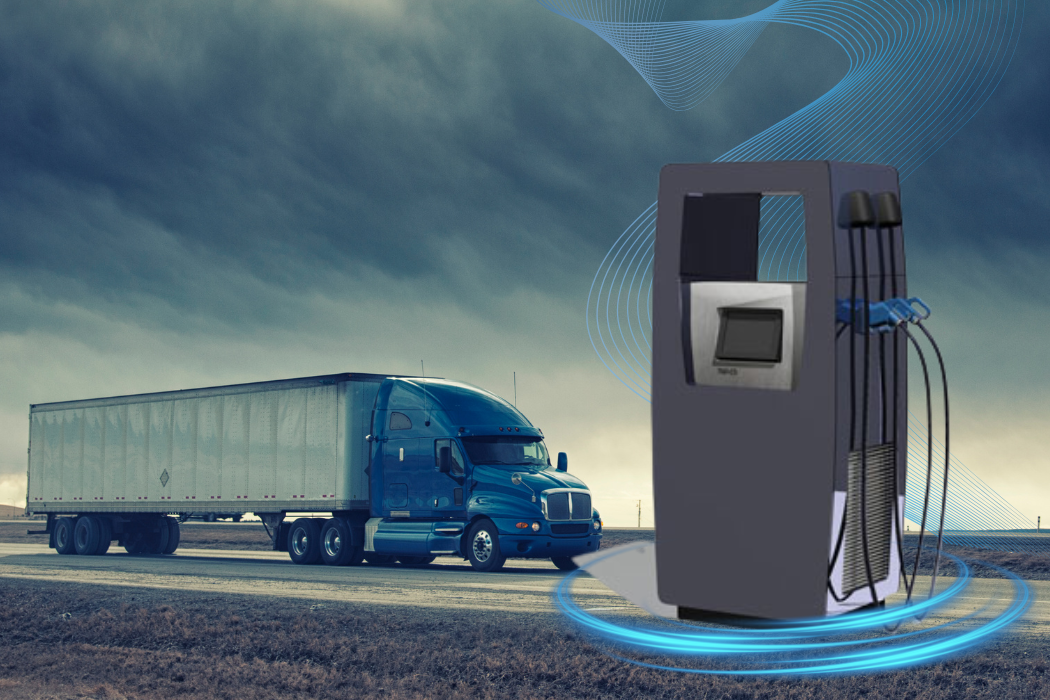
Photo source: T&D Engineering, ©Engineer BG via Canva.com