Grundfos MIXIT optimises indoor climate and underfloor heating control across a Norwegian kindergarten chain


In Norway, from Trondheim in the north to Kristiansand in the south, 107 kindergartens operated by the Espira chain provide a safe and comfortable everyday environment for thousands of children. As a healthy indoor climate is essential to achieving this goal, one of its facilities, Sangereidåsen, sought a more efficient way to control its heating system. Grundfos MIXIT, an integrated mixing loop solution, was installed to address this need. The results include more stable indoor temperatures for the children, less manual work for operators and energy savings of up to 25%. Grundfos shared more details about the project with BalkanEngineer.com.

In collaboration with Grundfos and installation contractor Agder Ventilasjon, the Espira kindergarten chain implemented the MIXIT mixing loop system at its Sangereidåsen facility. “This multifunctional unit enables stable temperature control for underfloor heating and centralised control of the installation, adapting the heating system’s operation to the actual needs of the building. This also improves the energy efficiency of the building as a whole,” Grundfos Bulgaria explained.
In a kindergarten, the primary objective is to maintain a comfortable floor temperature without overheating the rooms, thereby ensuring the healthiest possible indoor environment. According to Espira specialists, temperature stability is more important than maintaining an exact temperature to the nearest degree in every room. In this context, MIXIT helps minimise temperature fluctuations and maintain a comfortable indoor environment.
For installers, MIXIT also transforms the traditional approach to building a mixing loop by simplifying control of the entire installation. This is made possible by the valves, sensors and controllers integrated into the unit. As a result, MIXIT combines up to 10 components traditionally used in a mixing loop, making it easier to regulate flow rates and maintain an optimal ΔT (temperature difference).
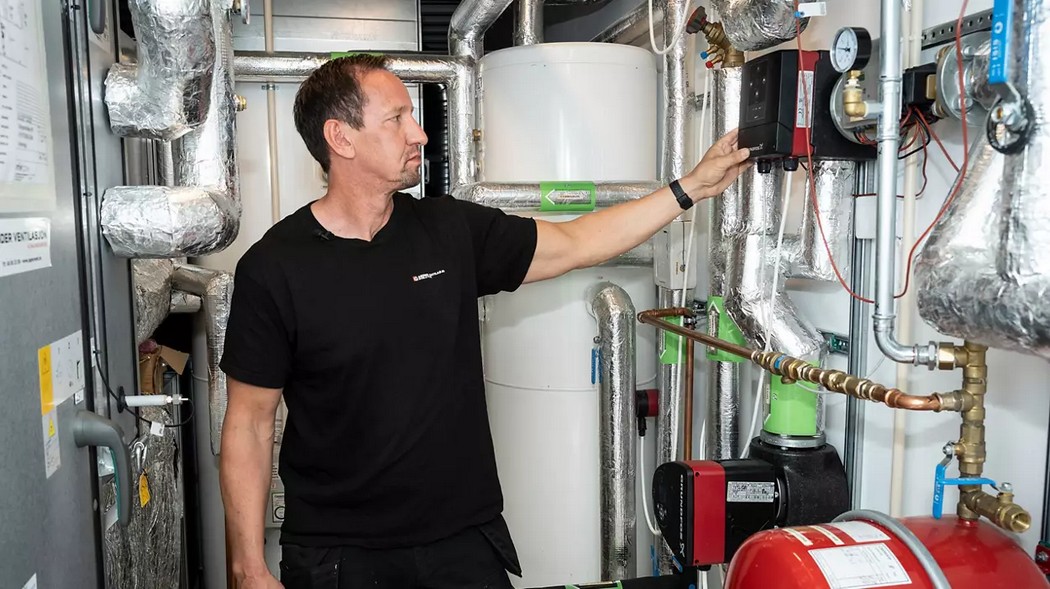
Image source: Grundfos