Underwater optical cable across the Black Sea turns Bulgaria into a digital gateway between Europe and Asia


Change language: Albania Bulgaria N. Macedonia Romania Serbia
Bulgaria has officially joined the implementation of Kardesa, a large-scale project for an underwater optical cable across the Black Sea that will connect Europe with the Caspian region and Asia. The 100 million euro investment has been secured by telecommunications giant Vodafone and NEQSOL Holding. At an event at the British Embassy, it was announced that the high-speed system will come ashore near the town of Aheloy, turning our country into an important entry point for a new digital corridor with a capacity of 500 Tbit/s – 25 times more than the current capabilities in the region, BalkanEngineer.com learned from Economic.bg.
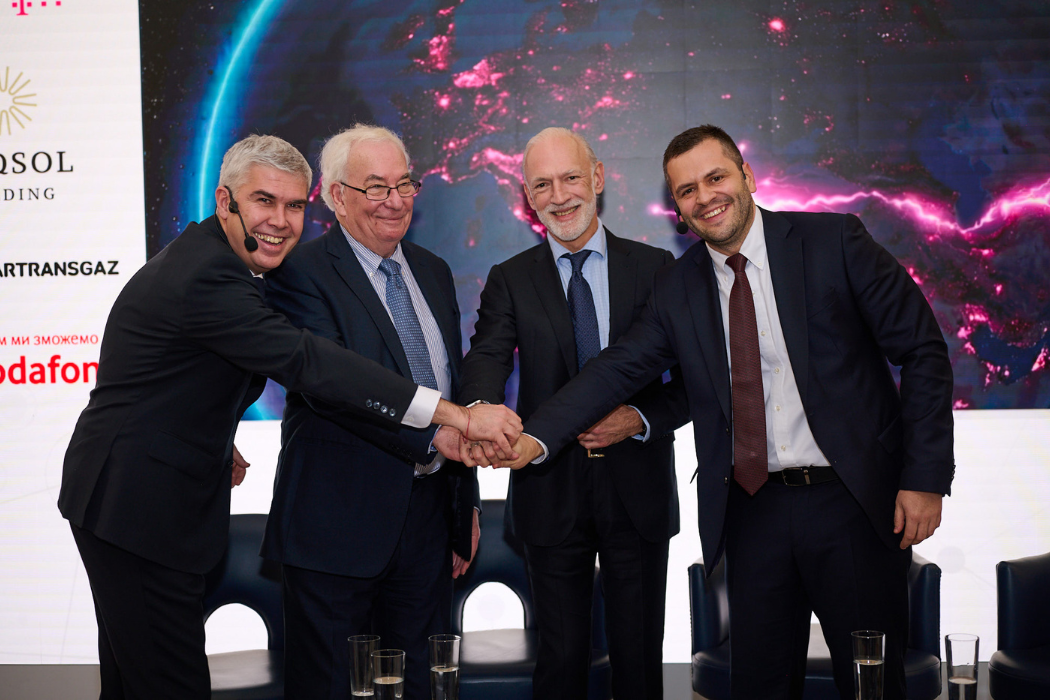
An interesting element of the project is the innovative use of the existing infrastructure of the state-owned Bulgartransgaz. The Bulgarian gas transmission operator will provide pre-laid pipes along the Sofia – Provadia – Aheloy route, in which a 24-core optical cable will be installed. The project will be implemented by the Novatel-Bulgartransgaz consortium, in which Novatel (part of Deutsche Telekom) has a majority stake. This partnership is expected to generate significant revenue for the state-owned company from existing assets without incurring additional capital expenditure.
The Kardesa project, led by global leader Xtera, aims to offer a secure alternative to traditional and risky routes through the Red Sea. The new system is designed to guarantee the digital sovereignty of the EU and NATO by providing a secure, low-latency data path that will serve the needs of global technology giants such as Google and Amazon. The project is scheduled to be completed by mid-2027, turning Sofia into a major distribution center (Point of Presence) on the new "Digital Silk Road."
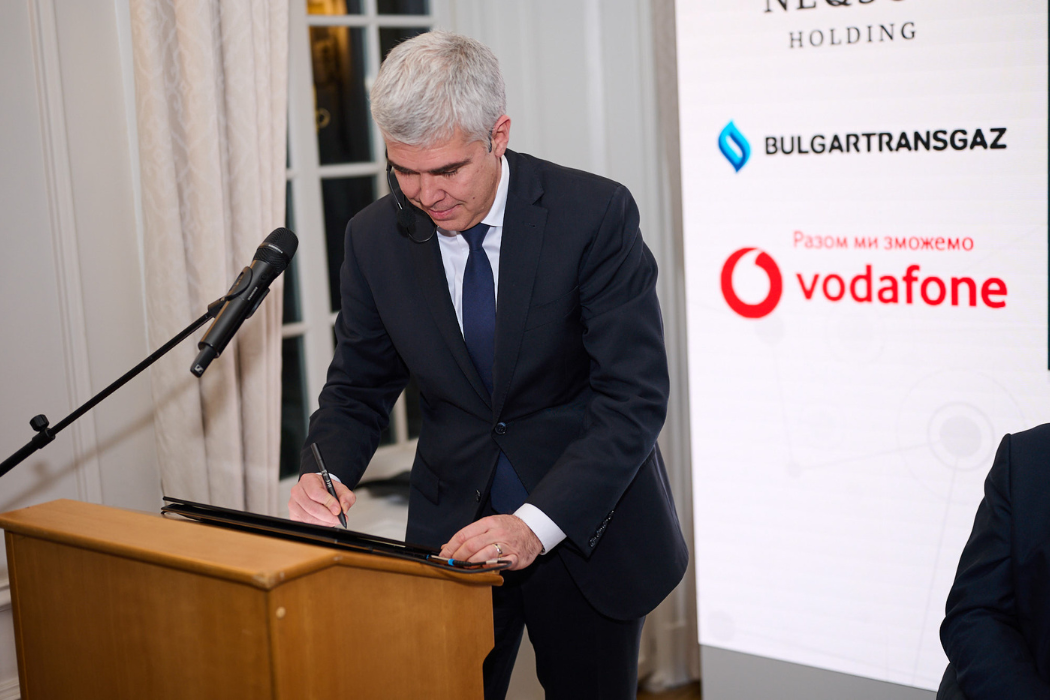
Photo source: Bulgartransgaz, ©Engineer BG via Canva.com