Rochester supports medical device manufacturing amid regulatory pressures and obsolete components


Change language: Bulgaria N. Macedonia
Medical devices are categorized based on the level of risk they pose to patients. Class I devices are low-risk products such as bandages or hospital beds. Class II devices represent moderate-risk equipment, including infusion pumps and imaging systems such as ultrasound or CT scanners. Class III devices are high-risk or life-sustaining technologies, including pacemakers and implantable devices.

As patient risk increases, so do regulatory and certification requirements. Standards such as IEC 60601-1, ISO 13485 and FDA 21 CFR Part 807 place strict controls on product design, validation and manufacturing. For many medical device manufacturers, maintaining an approved design ‘as-is’ for as long as possible is essential to avoid costly redesigns and requalification. For this reason, semiconductor end-of-life (EOL) presents a significant challenge to long-term medical device support.
Medical systems often have operational lifecycles spanning 15 to 20 years or more, including field maintenance and service commitments. By contrast, semiconductor lifecycles continue to shorten, particularly for processors, FPGAs, memory and other high-value components.
As a 100 per cent authorized semiconductor source, Rochester Electronics supports manufacturers by extending access to active, EOL and discontinued components. „Rochester provides secure, authorized inventory that is stored under AS6496 handling conditions, helping medical device manufacturers reduce risk while maintaining continuity of supply,” the company stated.
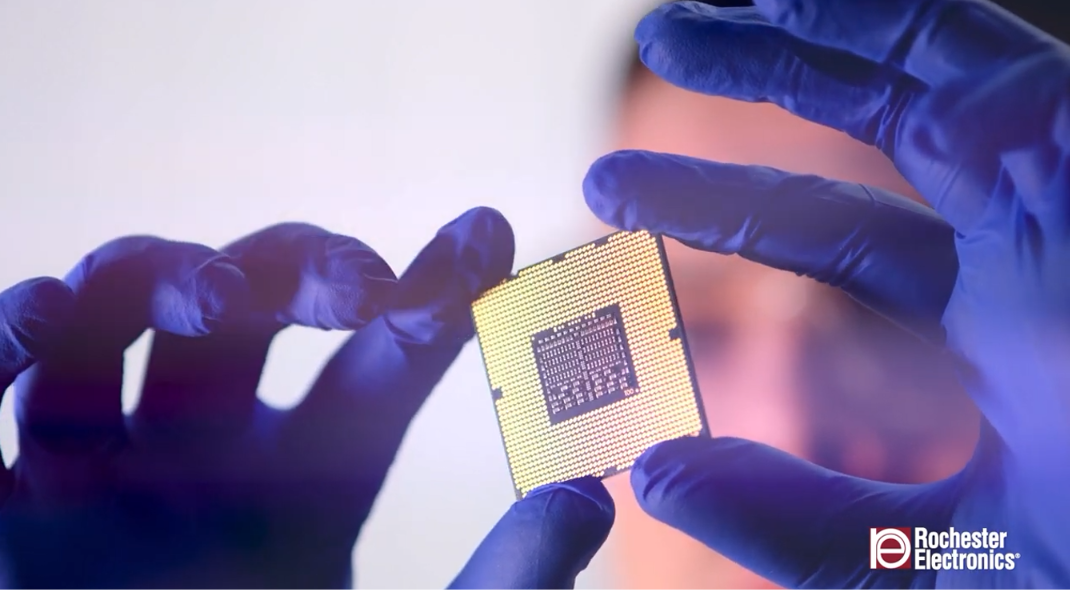
Image source: Rochester Electronics
