AC or DC: How the proper choice of EV charging stations from T&D Engineering optimizes expenses and comfort


Change language: Bulgaria Romania Serbia
It is interesting how the electromobility sector often produces the same strategic mistake, that is investing in full force there, where it is technically unnecessary. The appropriate choice between AC (alternating current) and DC (direct current) stations is more a matter of in-depth analysis of user behavior than speed and agility. In the catalogue of T&D Engineering we find the answer in the balance between resting time and the capacity of the local electrical grid. From the compact Wallbox systems to the massive DC poles, it all comes down to how much time the car is left at the parking lot.
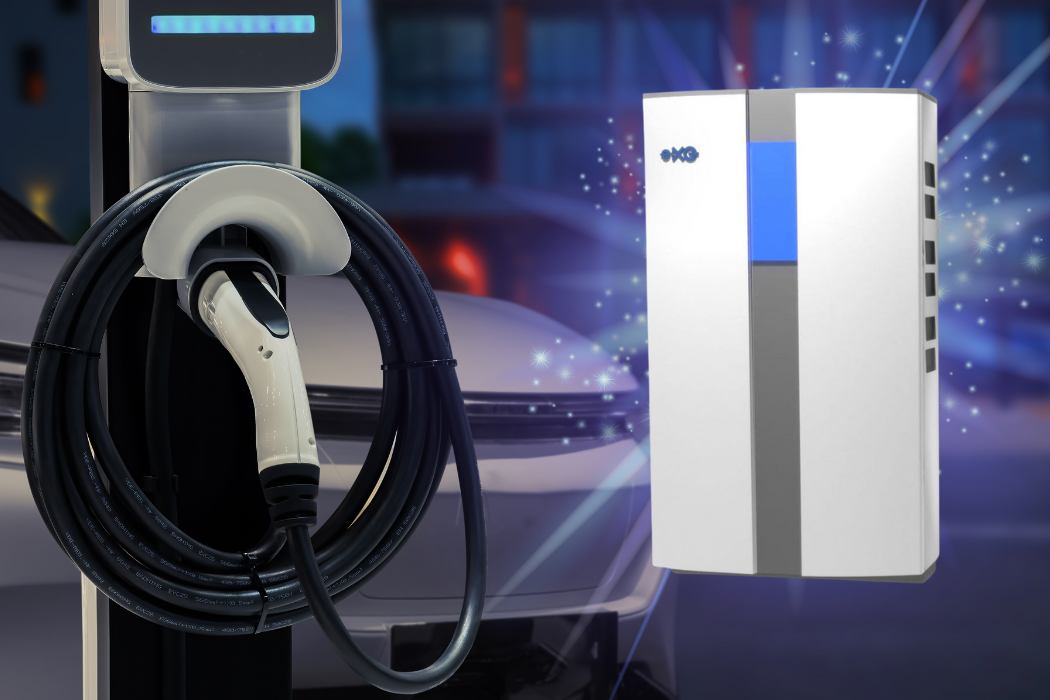
Alternative current (AC) stations, known better as Wallbox or charging poles with power up to 22 kW, are often underestimated because of their lower speed. The truth however, is that they are the most effective solution for places, where automobiles remain stationary for over three hours. Here the limiting factor isn’t the charging device, but the onboard charger of the car, which for most mass models is limited to 11 kW.
On the other side are direct current (DC) stations. They transfer energy directly to the battery, going around the limitations of the automobile, and can reach power ranging from 60 kW to over 300 kW. Here the investment is serious – the price of the hardware, as well as expenses for integrating with the grid.
In business centers and large office buildings, however, the logic of “faster is better” usually fails. Load analysis shows that when a car stays in the parking lot for eight hours, the investment in a powerful DC station is economically unjustified. Here, the emphasis falls on the mass of AC points (11/22 kW).
"When you turn every parking space into a potential charging point through AC systems, you solve the problem of so-called "cable occupation". The main capital here is not the sale of electricity, but the image of the building and the convenience for tenants who do not want to move their cars every 30 minutes," the company also commented.
Photo source: T&D Engineering, Engineer BG via canva.com