Albania invests in modernizing its gas infrastructure with two large-scale projects worth 93 million euro


Change language: Albania N. Macedonia Romania Serbia
Albania has received approval for funding for two strategic natural gas projects worth a total of 93 million euro, BalkanEngineer.com has learned from official announcements by the WBIF and reports in The Monitor. The financial support comes from the European Union (EU) through the Western Balkans Investment Framework (WBIF) and from international investors. The projects to be financed are an underground storage facility in Dumre and a 40-kilometer gas transmission line between Fier and Vlora.
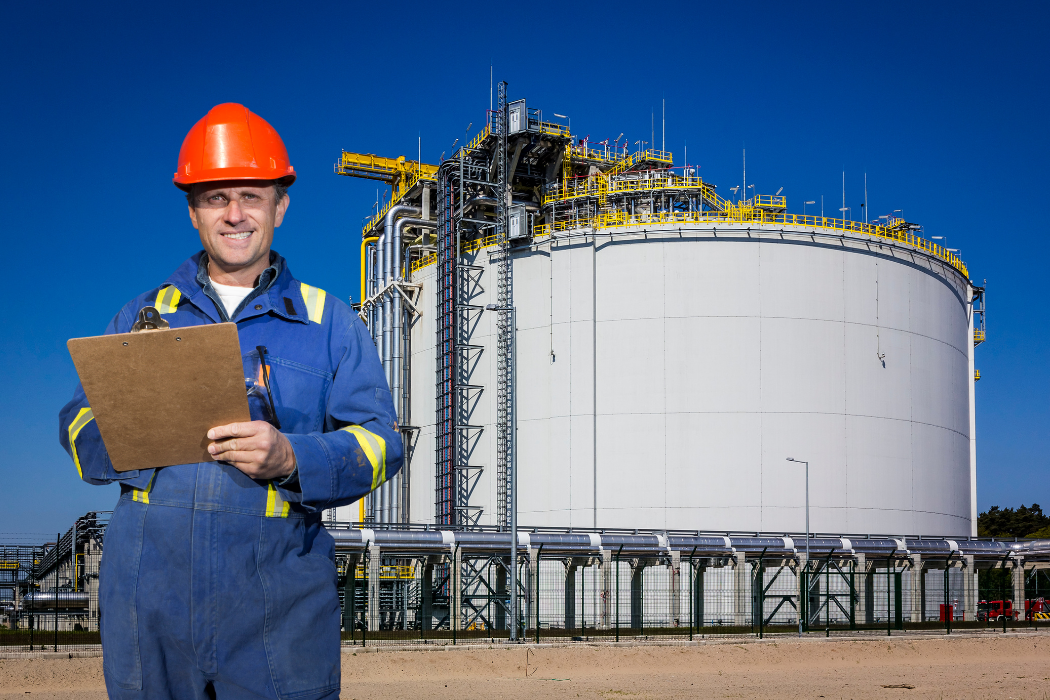
Most of the funds – around 75.3 million euro – are earmarked for the construction of an underground storage facility in Dumre, while the remaining 17.4 million euro are earmarked for the connecting gas pipeline between Fier and Vlora. Both projects are in the early stages of preparation and are scheduled for completion by 2030.
The WBIF notes that the storage facility in Dumre will provide reserve capacity and strengthen the national gas system in the long term, supplementing supplies from the Middle East and the Caspian region via the Trans Adriatic Pipeline (TAP). According to experts, this could balance the shortfall in hydroelectric power production and create conditions for gas-fired power plants to operate.
The Fier-Vlora project envisages a 40-kilometer section connecting the Vlora thermal power plant with TAP. The plant plans to switch from oil to natural gas, a measure that, according to analyses, will reduce operating costs and the carbon footprint of electricity production.
The importance of the investment is reinforced by the fact that Albania – along with Kosovo and Montenegro – remains one of the few European countries that is not fully connected to cross-border gas transmission systems. At the same time, domestic production has fallen dramatically: from around 1 billion m3 in 1982 to just 0.01 billion m3 in recent years, making infrastructure modernisation a priority.
Experts warn that the approved funding is only the first step – the real effect depends on the inflow of additional investments, the successful launch of gas on the local market, and the economic viability of the projects. If everything goes according to plan, by 2030 these projects could change the country's energy map – from a mere consumer of imported energy to a country with a more stable and diversified network.
Photo source: ©Engineer BG via Canva.com