Hexonic's non-standard heat exchangers – the way to optimal heat exchange and reduced costs


Change language: Bulgaria N. Macedonia Romania Serbia
In modern industry, effective management of heat energy is among the key factors simultaneously influencing operational effectiveness, safety and sustainability. This is why heat exchangers take such an important role in a series of processes, as standardized models are often preferred in usual applications. In a lot of industrial processes however – especially in the production electrical energy, in chemical and fuel production – their capabilities reach certain thresholds. Then customized heat exchangers, designed specifically for the parameters of a specific technological process, come to the fore.
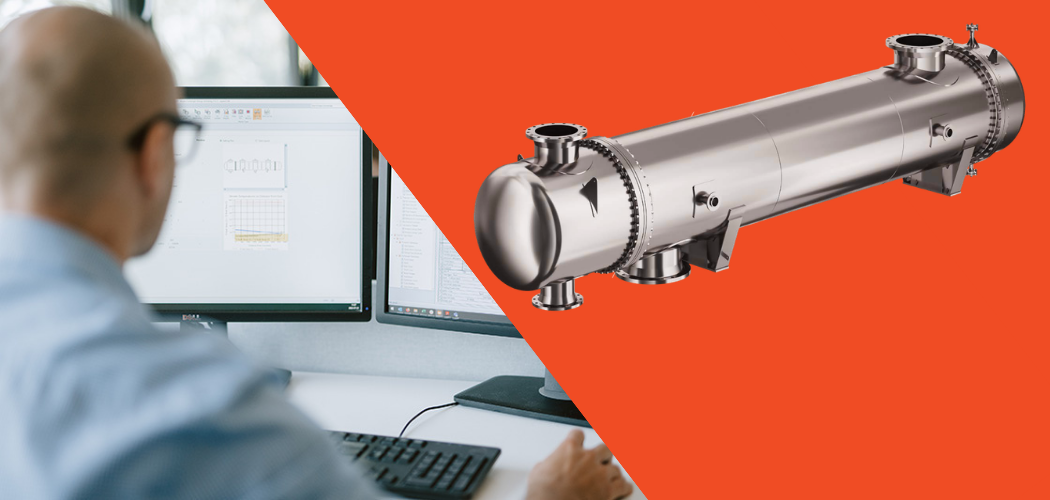
"We focus on the development and production of special industrial heat exchangers, designed to meet specific operating conditions and customer requirements. These projects often involve extreme temperatures, high pressure, aggressive environments or specific space constraints in industrial installations," Hexonic told BalkanEngineer.com.
"Developing a customized heat exchanger is a complex engineering process. The design stage includes a series of analytical and simulation steps that allow engineers to optimize heat transfer performance, hydraulic parameters, and mechanical resistance. In this way, heat exchange processes are accurately simulated and the heat exchanger geometry is refined even before production begins," Hexonic explained.
For this, advanced software tools and methods are applied, such as:
- Thermodynamic heat transfer calculations;
- Vibration analysis of tube bundles;
- Strength calculations of pressure vessels;
- Flow simulations using CFD (Computational Fluid Dynamics).
The choice of materials also play a critical role in the process. Possible materials includes stainless steel, carbon steel, duplex steel, titanium, and nickel alloys like Monel or Incoloy.
Photo source: Hexonic